


Welcome to BARDAP Hydraulics – A Division of Zone Resource Services Pty Ltd
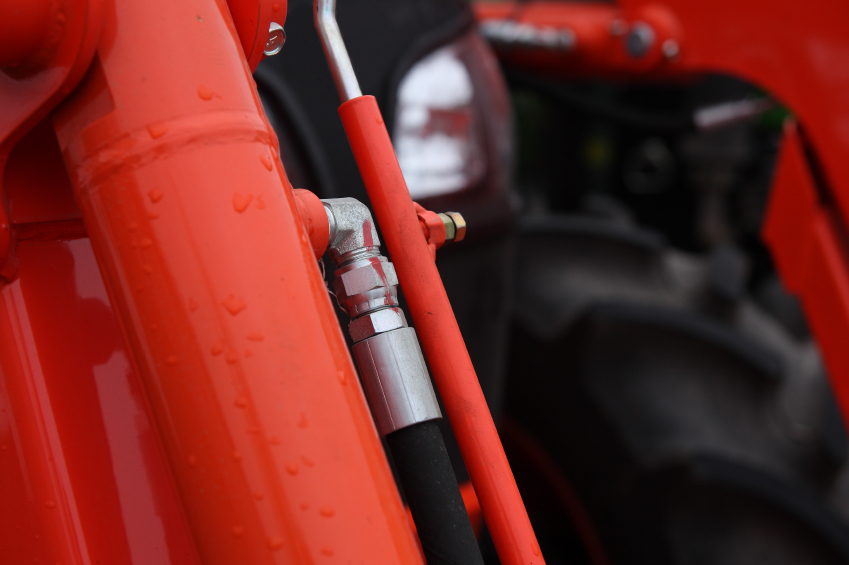
BARDAP Hydraulics is a leading hydraulic repair company in Perth, Western Australia, providing Hydraulic Solutions, Hydraulic Components & Equipment, Hydraulic Repairs & Service including Hydraulic System Design.
BARDAP Hydraulics has been providing hydraulic repairs and service to WA mining, marine, agriculture, oil & gas and similar industries since 1989. We understand that a prime objective of our clients is to reduce operating and maintenance costs without sacrificing productivity.
For over a quarter of a century BARDAP Hydraulics has supported the hydraulics needs of organisations within the resource and industry sectors, from small local firms to large international companies with operations in remote areas and difficult parts of the world.
We pride ourselves on delivering quality, fast and reliable hydraulics solutions, guaranteeing you will get back to work faster.
BARDAP Hydraulics’ accumulated experience and skill facilitates the provision of a comprehensive suite of hydraulic solutions. We offer hydraulic component and equipment sales, hydraulic system design, regular maintenance, on-site service & equipment installation, hydraulic repairs and overhauls to hydraulic pumps, valves, coolers, filters, motors, cylinders, power packs and more.
BARDAP Hydraulics has built a solid reputation in hydraulic repairs for placing the customer first, and never compromising on quality.
Office
27 Chisholm Crescent
Kewdale WA 6105
Phone: 61 8 9359 4166
Fax: 61 8 9359 4366
swiss mens replica watches bmagniium are high quality.